Community Safety Response Platform

Technology plays an increasingly important role in modern policing by strengthening service delivery, improving situational awareness and supporting faster responses during critical incidents. When used responsibly, technology can help police focus resources where they are most needed, enhance public safety and support timely decision‑making.

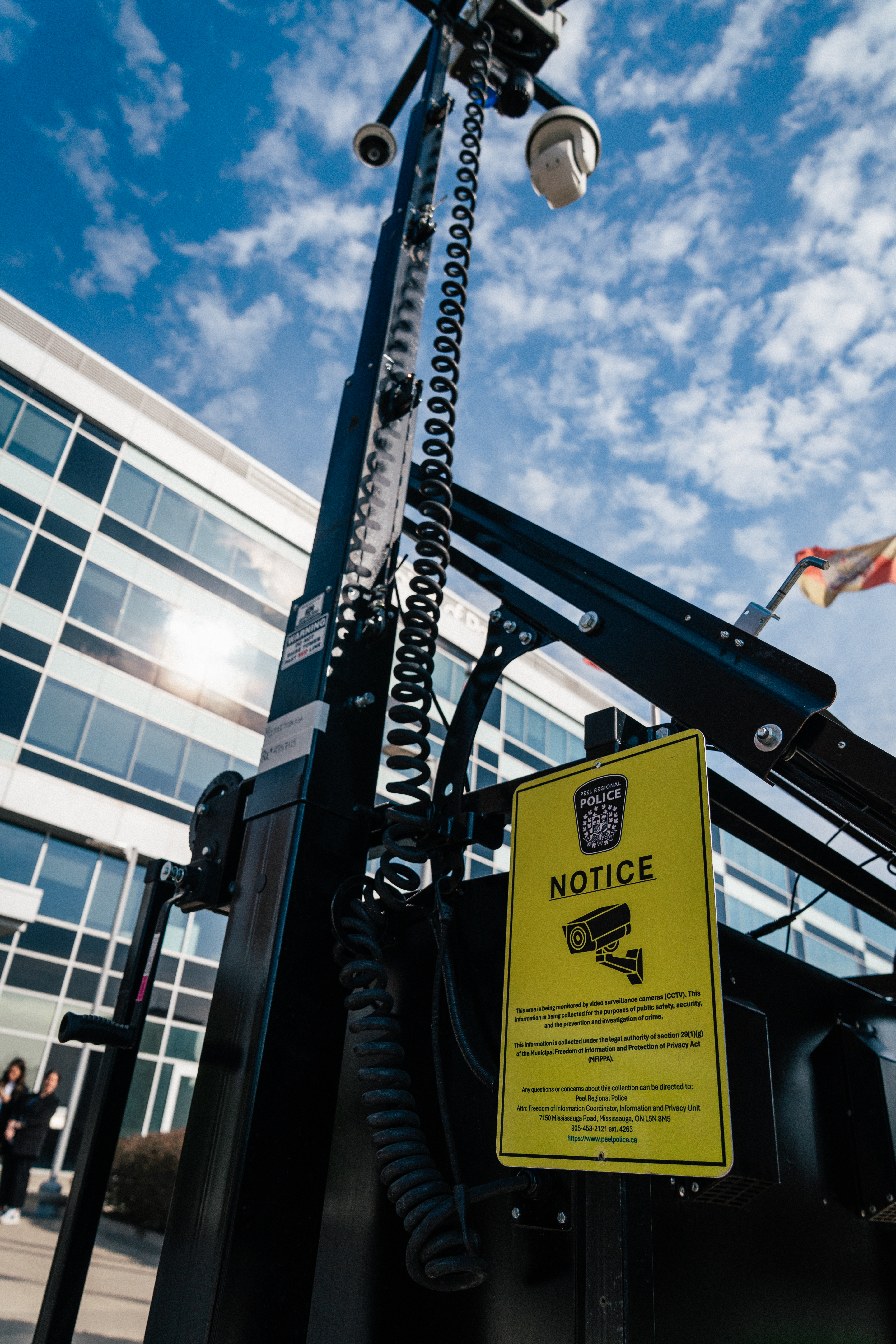
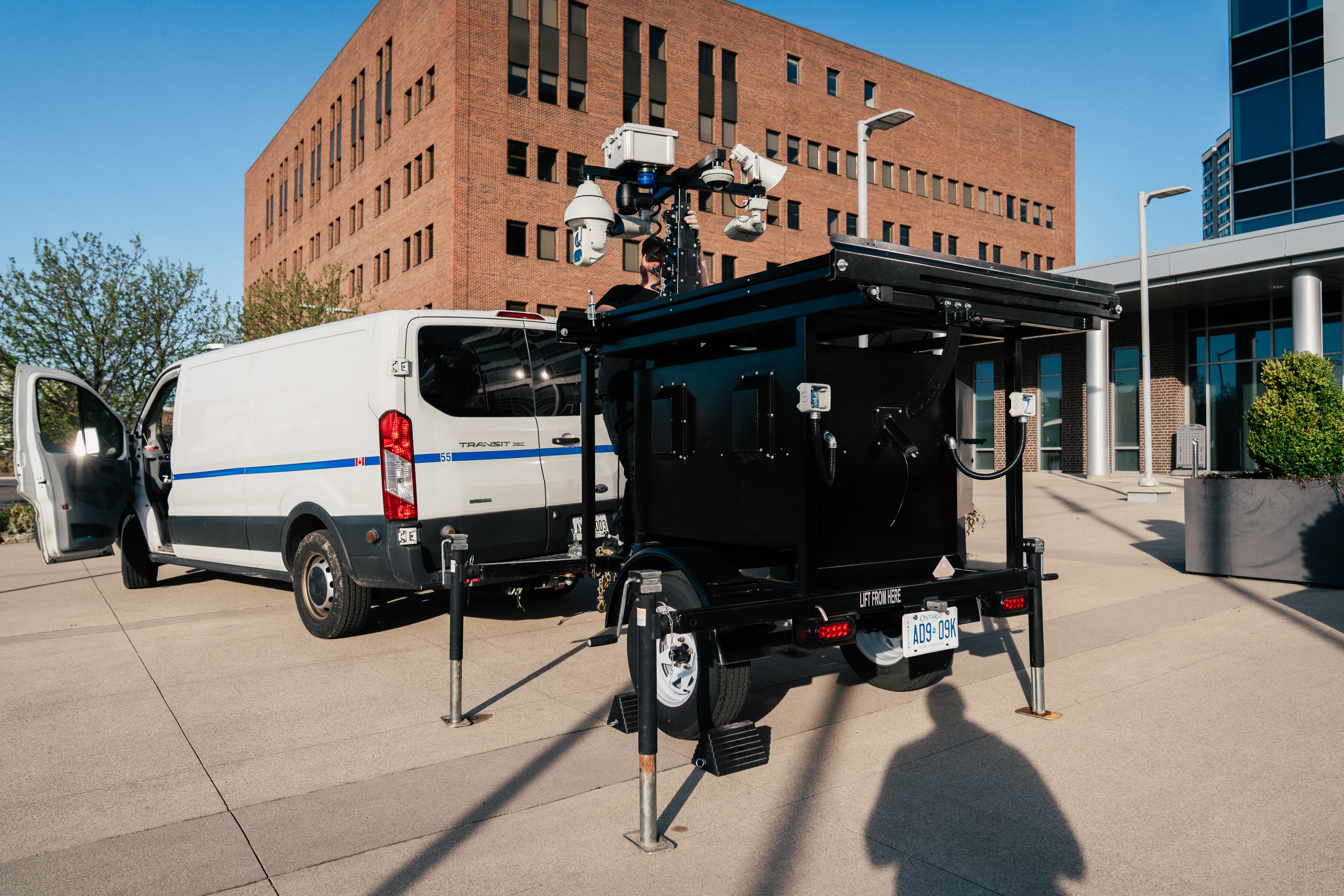
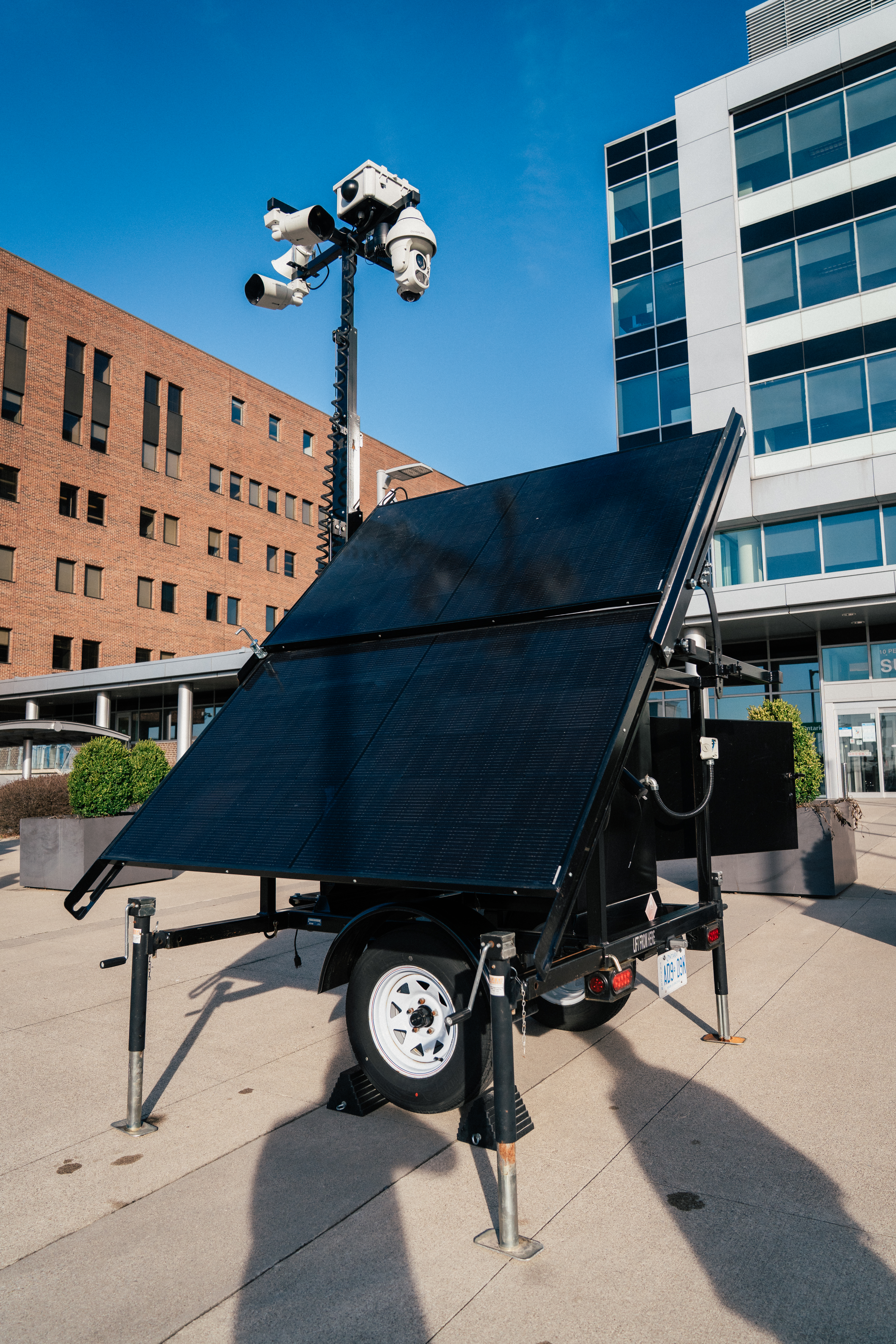
The Community Safety Response Platform is a portable, incident‑driven solution designed to support police response to serious incidents. By combining targeted technologies in a single deployable unit, the platform provides near‑real‑time information to help officers respond quickly and effectively when risks are identified. Its use is guided by strict operational criteria and robust privacy controls, ensuring the technology is used only when required and in accordance with established policies.

To learn more about the Community Safety Response Platform, watch the video below and review our frequently asked questions.

Frequently Asked Questions (FAQ)

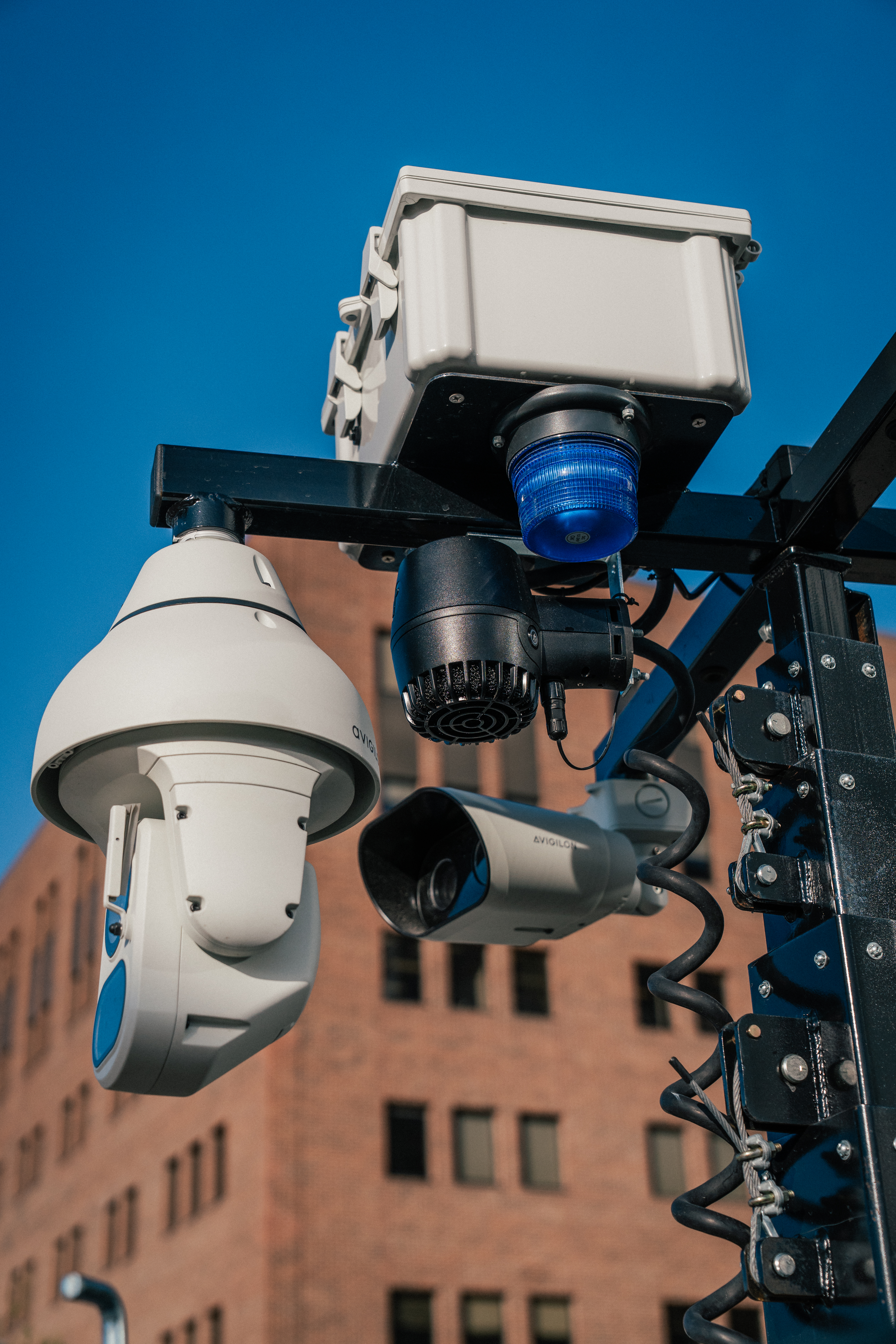
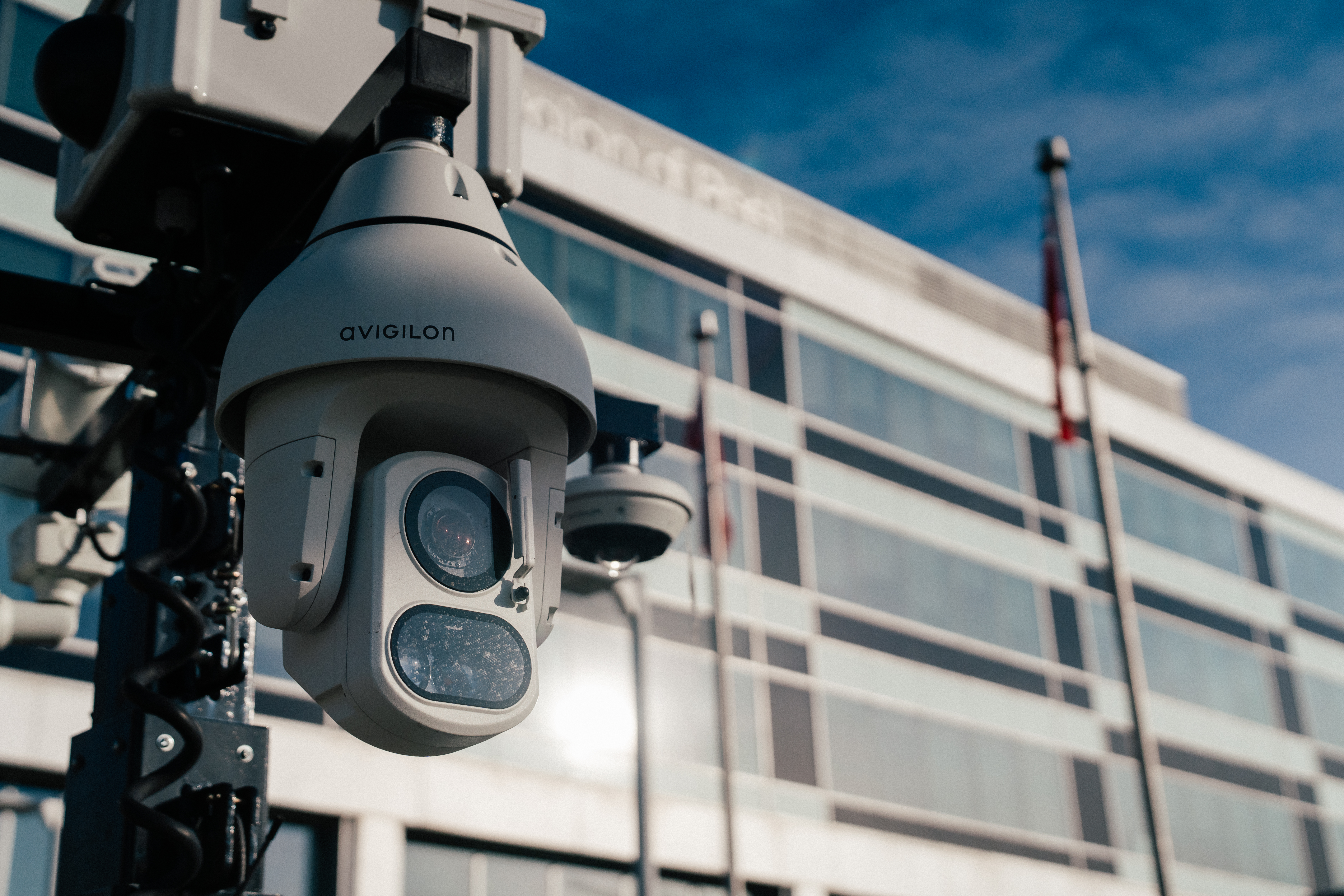
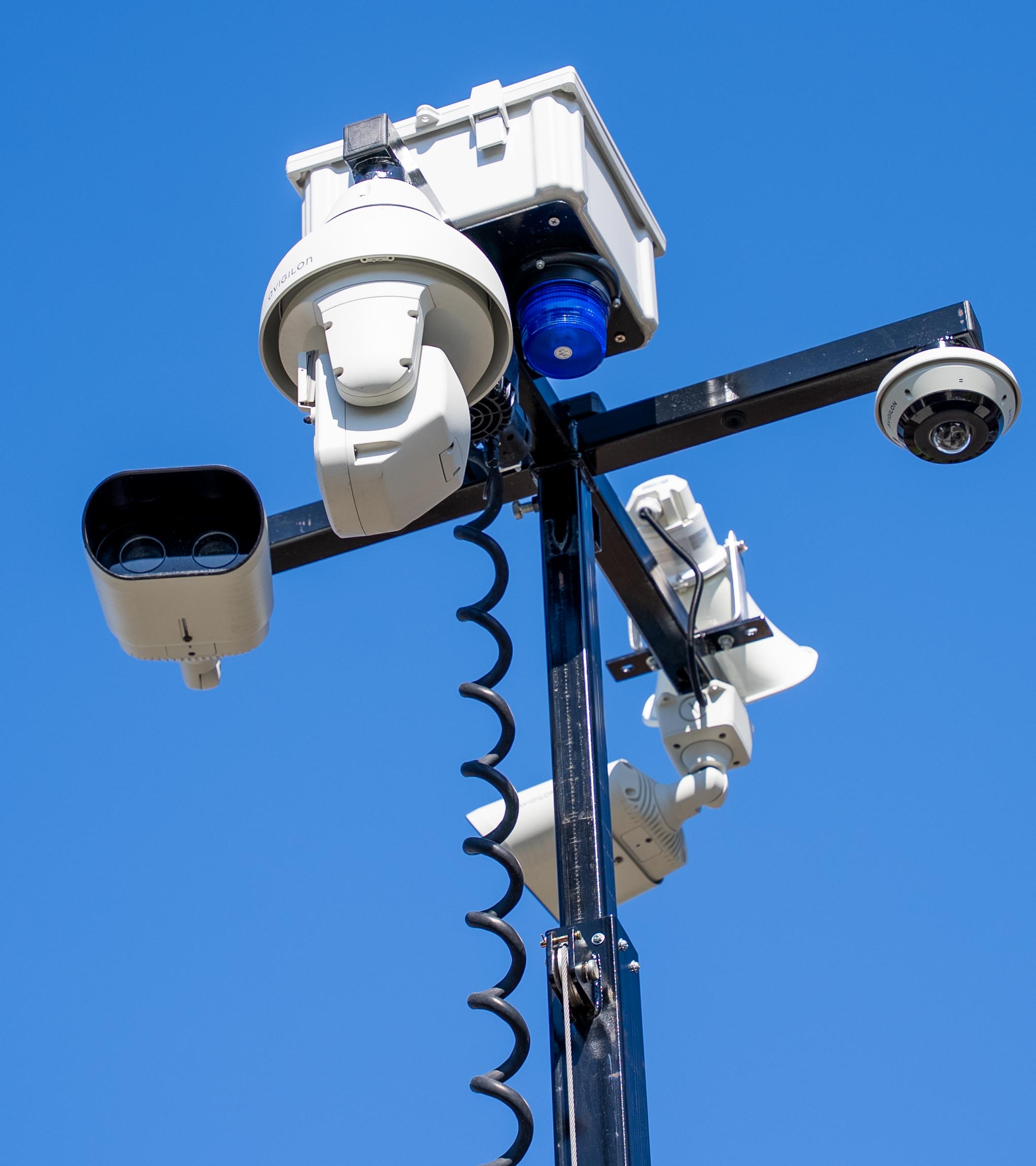
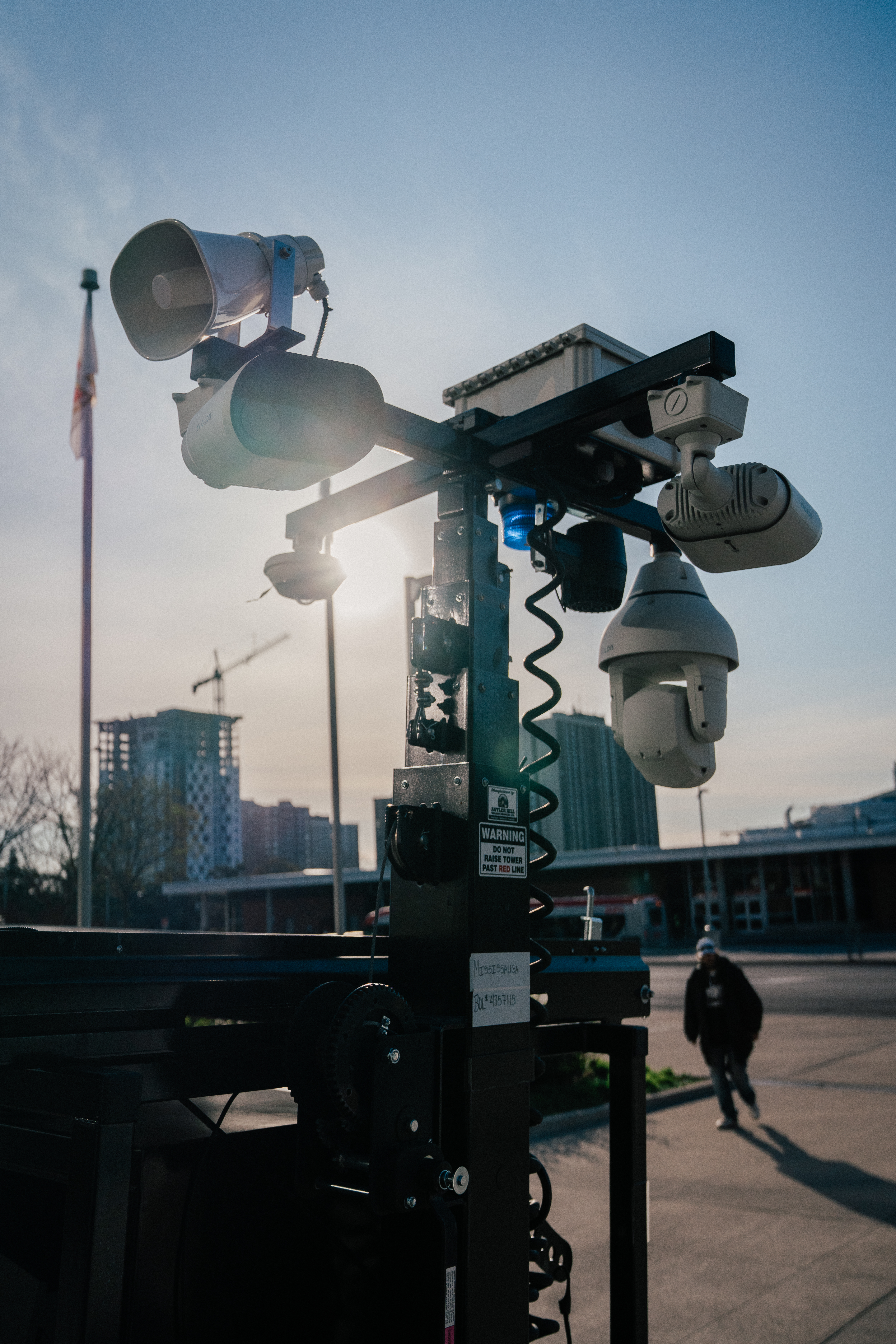
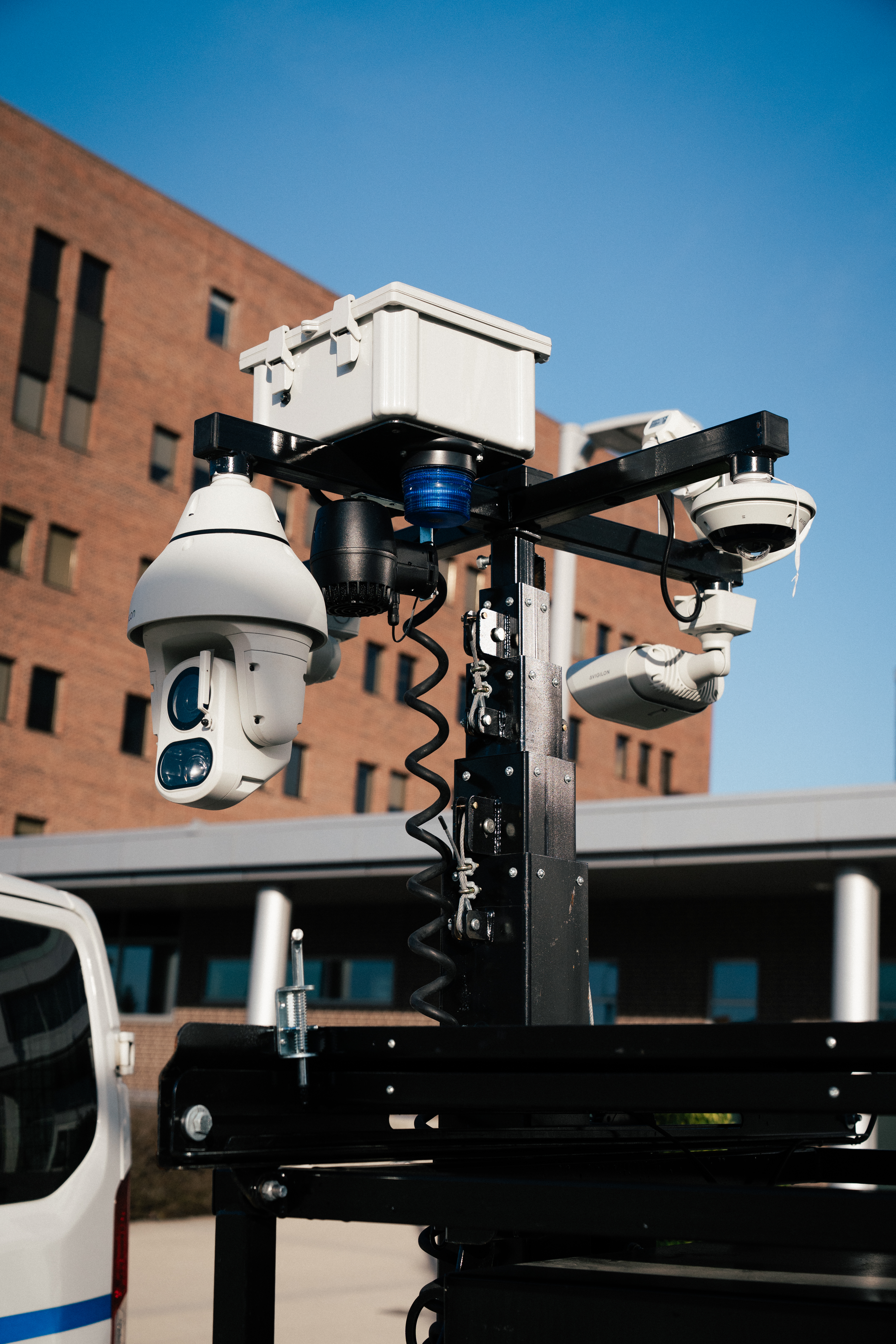
The Community Safety Response Platform integrates an acoustic detection device, Pan Tilt Zoom (PTZ), loudspeaker and automated licence plate reader (ALPR) technology into a portable unit. 

  • The acoustic detection device’s gunshot detection, provided by Flock Safety, activates only when a sound pattern consistent with a firearm discharge is detected. This sound pattern alerts Peel Regional Police’s Community Safety Operations Centre (CSOC) in near-real time. 
  • PTZ provides live video to support situational awareness and investigations during serious incidents. Video evidence is recorded and accessed only if CSOC receives an alert from the acoustic detection device and/or ALPR. 
  • ALPR technology, which is already available in police vehicles, is a camera-based system that scans license plates and checks them against an authorized hotlist from the Ministry. This helps identify vehicles associated with an active investigative interest. 
  • Loudspeaker to broadcast clear, public messages. 

There is no facial recognition functionality included in this technology. 
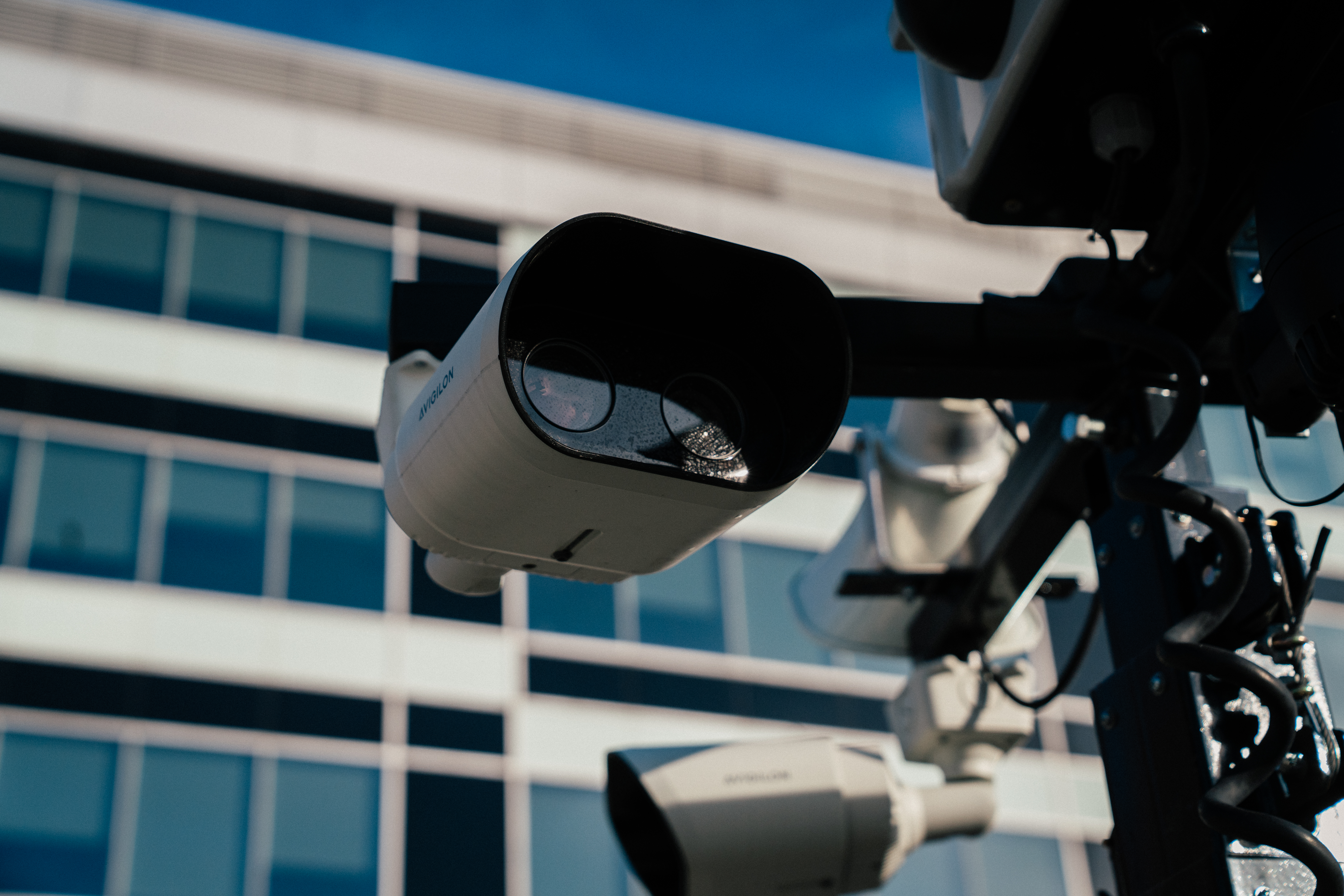
Deployment of these platforms occur only when a reported incident meets PRP’s established risk‑assessment threshold, and where an operational need has been identified. 

The platforms are temporary and incident‑driven. They are deployed only for as long as necessary to address the identified risk. 

The platform is portable, allowing PRP to respond quickly and visibly to specific, high‑risk situations without creating permanent infrastructure. This approach supports officers by providing real‑time intelligence while allowing resources to be focused where and when they are most needed.  

The technology is used for specific, incident‑related monitoring, not mass surveillance. All data is handled according to established privacy policies.  

The trailers improve community safety by providing a fast, visible police response to serious incidents, reassuring the public and encouraging crime reporting. They support quicker investigations and targeted protection when needed, without long‑term surveillance. 

The acoustic detection device activates only when a gunshot is detected and retains a recording that includes the gunshot and the two seconds before it. ALPR is used solely to identify vehicles associated with an incident, and PTZ footage is accessed only after an alert is received to support active response and investigation. All data collected through the CSRP is retained in accordance with the organization’s retention schedule and applicable Records and Information Management legislation.

Deployments are not request‑based. They are determined through police risk assessments, and placements occur only when operational criteria are met and consent is provided by the property or business owner. 

Peel Regional Police is the first police service in North America to launch this type of Community Safety Response Platform. While some individual technologies are used elsewhere, their combined, targeted use as a proactive investigative tool is first of its kind. 

Yes. Community information sessions were held in April 2026.