Don't Let Your Drone be Unknown
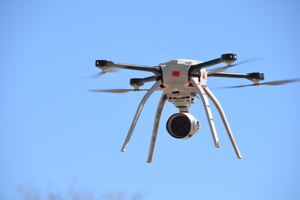
Remotely Piloted Aircraft Systems, more commonly known as drones, are becoming more and more popular. Some of you have wondered what are the rules around operating drones in public airspace. At the beginning of June, new regulations for drone operators kicked in. Wonder what they are? Keep reading.
There are now two categories of drone operation: basic and advanced.
The categories are based on distance from bystanders and airspace rules. Both categories have their own set of easy to follow rules that require a drone pilot to:
- Register and mark their drone with its registration number.
- Pass an online exam and get a pilot certificate for basic and advance operations.
- Be a minimum age of 14 for basic and 16 for advanced operations; unless supervised by a person having proper certificates.
- Stay below an altitude of 122m (400 feet) above ground level and stay away from air traffic.
Only drone pilots who need to fly outside the rules for basic and advanced operations will need to apply for a Special Flight Operations Certificate (SFOC).
Drone pilots now need to have their Pilot Certificate and proof of registration when flying their drone. All drone pilots are also subject to the Criminal Code as well as all provincial, territorial and municipal laws governing areas such as privacy and trespassing.
Transport Canada Inspectors are the primary enforcement agency; however enforcement powers have been extended to qualified Peel Regional Police Drone Pilots. Additional officers are being considered for future training. Administrative Monetary Penalties may be issued through a ticketing process to violators.
For more information on the new regulations, vist the Transport Canada website.